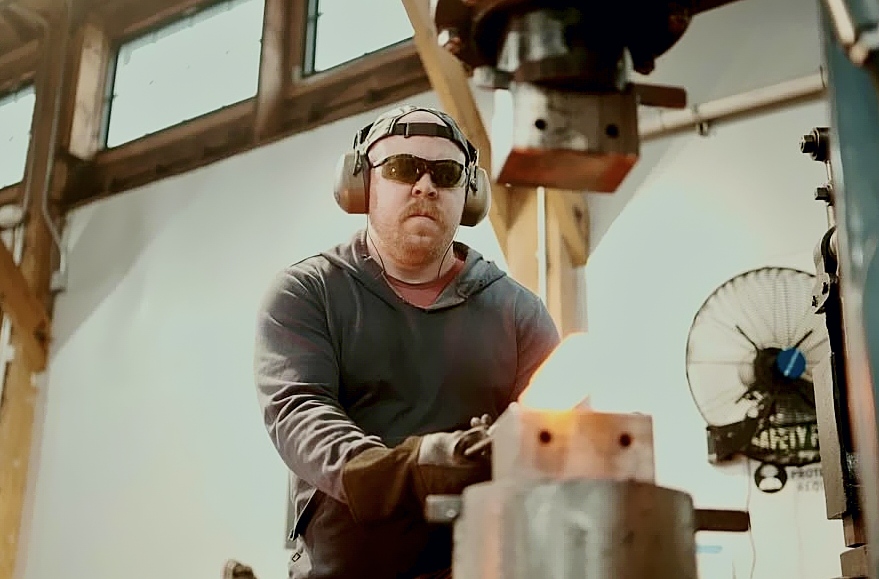
This week’s interview brings us the US Pacific Northwest. When I was a child, I was enamored with the concepts of trade guilds, apprentices learning from masters, and in turn teaching the craft to the next generation. To me that’s what Jamison is doing, I am very pleased to be able to share his story with you.
To start off, please tell us a little about yourself.
My name is Jamison Chopp, and I’ve been a full-time bladesmith for a little over ten years, which feels surreal to say. I live in Portland, Oregon, where I like to take advantage of Pacific Northwestern traditions like getting outdoors and enjoying the awesome food and drink scene here.
What sparked your interest in knives?
I’d say it was a bit of an unexpected turn. Initially, I thought my escape from corporate America would be woodworking; but I came across knife making, and the thought of blending metal and woodwork appealed to me.
I inherited a couple of my grandpa’s pocket knives after he passed, and loved the patina they developed after all the years he spent with them. The romantic in me loves the idea that I create something that can be passed down after decades of use to my customers’ loved ones.
What inspired you to do this and how did you learn?
I grew up on a hobby farm and made rudimentary furniture as a youth at the encouragement of my mom. At a certain point, I realized that I wanted to find something I could make with my hands for a living. From there, I looked for a trade I could pay my dues in and take what I learned with me wherever I went.
Once I’d saved up enough from the corporate job I took after college to feel confident taking a shot at it, I took the plunge. Even when it was really rough in the beginning, I was proud to dedicate myself full-time to learning how to make knives as my career.
When did you start making knives?
I began apprenticing at Carter Cutlery in early 2015.
What did you make your first knife with?
My first knife was a partial tang paring knife made with an ironwood handle. The blade was made from laminated Hitachi White #1 Japanese carbon steel with stainless steel cladding.
Do you have a favorite knife you made, tell me about it?
That’s really hard to narrow down! I donated a percentage of the sale of six outdoor knives using steel from salvaged WW2 fighter planes to a museum that restores the planes and keeps these pieces of history flying back in 2022.
Every year, I donate one of my knives to a breast cancer awareness charity, as my family has been directly impacted by the disease. Being a contributor in this community of supporters that’s been impacted by cancer themselves means the world to me.
There are other knives that stick out amongst my favorites, but it’s hard to get too attached to anything I make. It’s a little uncomfortable to admit it, but I can’t afford most of my work.
What is the most important aspect of a well-made knife?
It’s impossible to narrow it down to one characteristic, so I’d say the two defining aspects of a well-made knife are the steel’s heat treatment and the blade’s geometry. For instance, if a bladesmith uses a premium steel, but the geometry isn’t acceptable, it’s not going to cut well. A midlevel quality piece of steel with great geometry will provide solid cutting performance, even as the edge begins to dull.
Knowing this, I choose carefully heat treated time-tested steels and focus on the geometry of my blades when I’m grinding. Everything else, including the handle materials, steel type and pattern are secondary.
What keeps you going?
Knife making is a lot of work, but I genuinely love what I do. Even when I get out of the shop for a short vacation, I find myself going a bit stir crazy when I’m not working with my hands.
I miss my creative routines as a maker when I’m away from the forge. I’ve always been someone who loves puzzles and science, which is perfect, because I treat each knife like its own little puzzle that needs to be solved as it’s put together.
Biggest struggle?
My largest struggles have been financial. For my first five years as an apprentice, commission was my sole compensation. In the first year, I averaged around one thousand dollars a month working full time. I doubled this in my second year, but it’s really hard to make ends meet with so little.
In January of 2020, I left Carter Cutlery and signed a lease with a fellow former Carter bladesmith (Alex Horn) in February of 2022. The materials and equipment we ordered (and paid for in advance) got held up in ports all over the world as shippers struggled to keep supply chains flowing.
Despite our careful budgeting, we were almost bankrupted by circumstances related to the pandemic. In retrospect, it was far from the worst thing that could happened to us, as many suffered far worse impacts on their lives during this time.
What kinds of knives do you make?
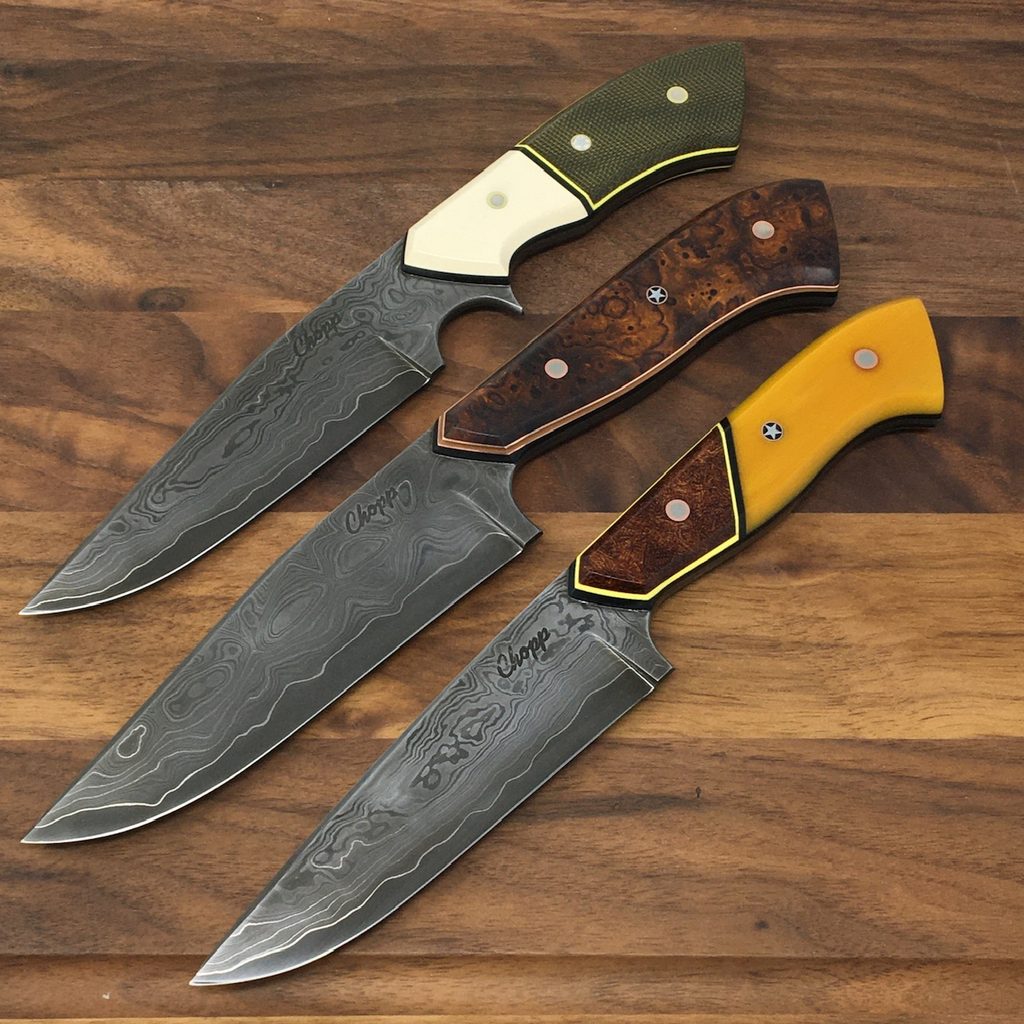
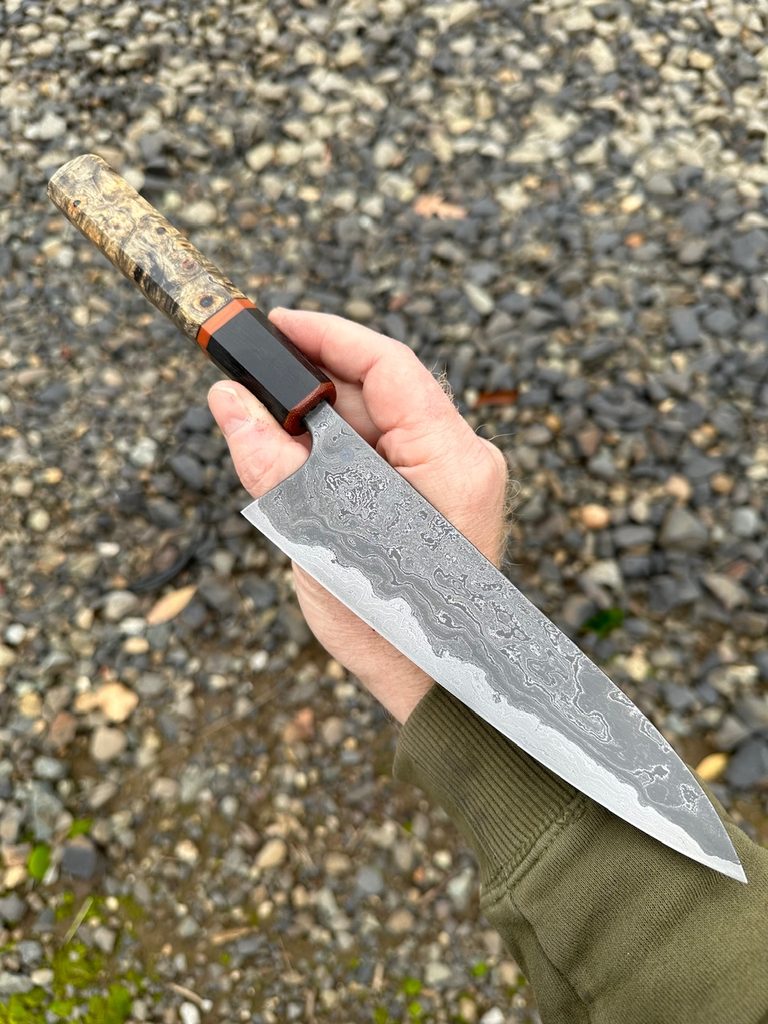
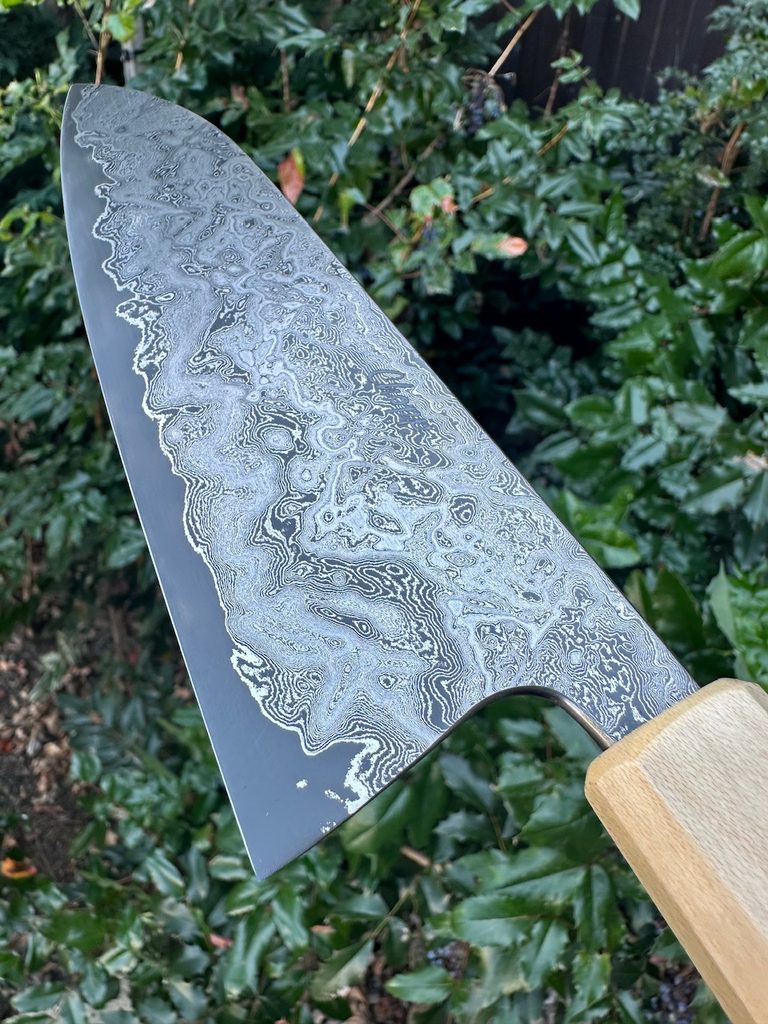
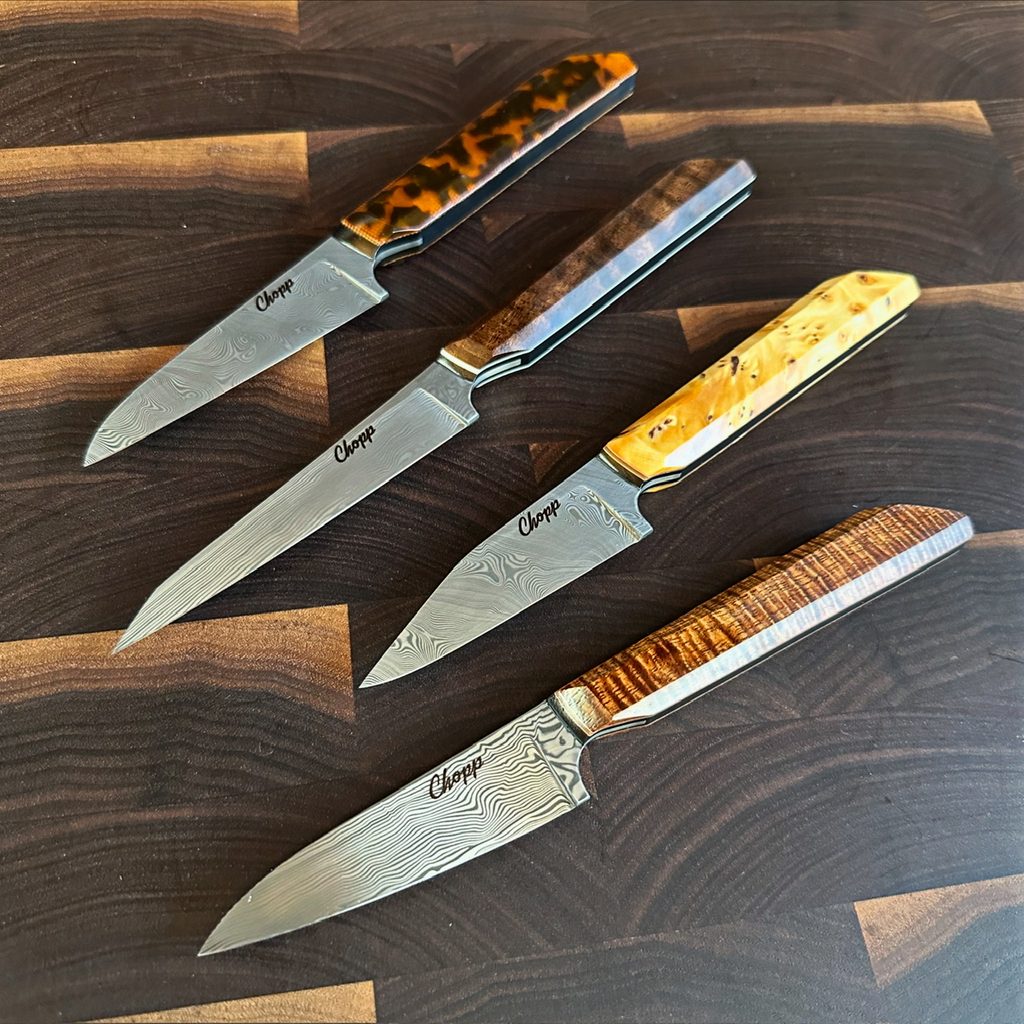
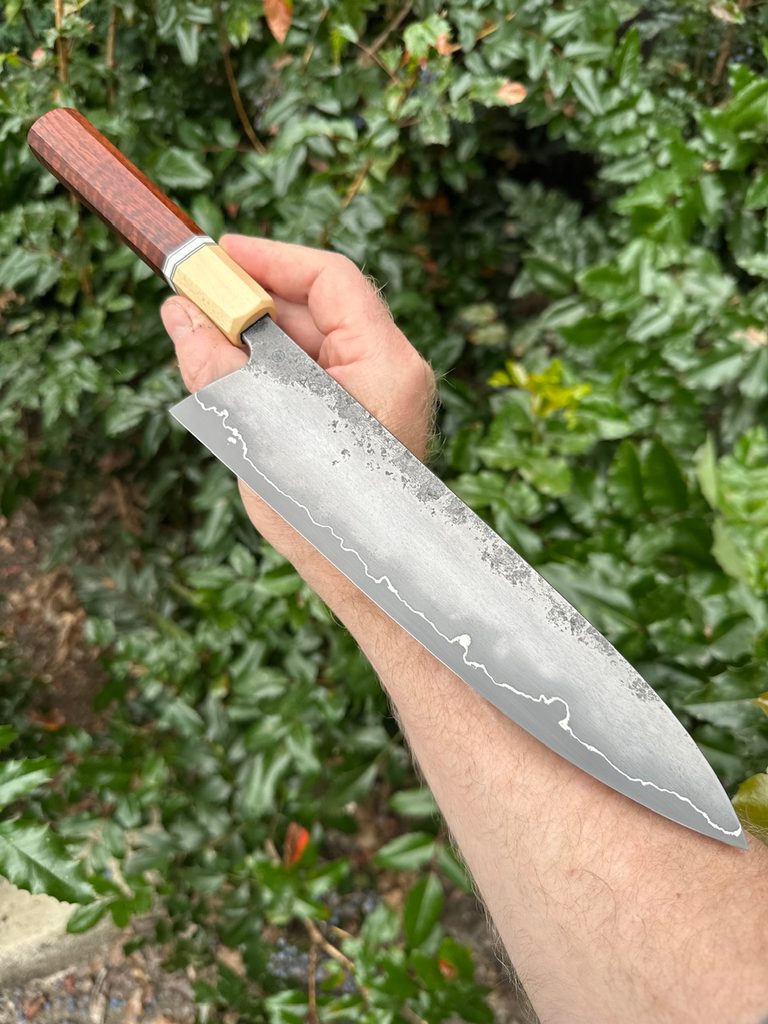
I make traditional Japanese knives forged with laminated steel alongside a handful of stainless steel patterns in my signature line. I love using reclaimed steel for cladding or Damascus when I can get my hands on it, and embrace organic patterns in my forging.
How did your background affect your approach to knives?
Honestly, I’m not sure that it did. Growing up in the country, you’d probably think I’d focus on making outdoor knives; but around 90% of my output is culinary. I never owned a nice kitchen knife before my apprenticeship at Carter Cutlery, and was blown away by how well they perform. I make bowie knives from time to time, but I know they don’t get used as frequently as my culinary knives.
Who helped you early on?
My five year apprenticeship at Carter Cutlery was full of people who influenced me. Besides Murray himself, much of my learning came from working alongside Shamus Dotson and Greyson Walker, who work with me as bladesmiths at Acre Forge now.
When Alex and I left Carter Cutlery to start our own shop, I learned a lot about forge welding and heat treating in a kiln from him.
Who are your influences/inspirations?
I look up to knifemakers that push boundaries in the field from materials to patterns and processes. Mareko Maumasi, Haley DesRosier, Kamon, and Anchorage are some of the standouts; but honestly, there are too many to name.
How do you think those inspirations translates into your work?
I appreciate the creativity, ingenuity and complexity of these makers knives- as I’ve tried my hand at mosaic and integral forging- but I have a different market and customer base than they do; so their influence isn’t directly apparent.
My signature knife line ranges from stainless steel stock removal blades to san mai and damascus at the high end. You have to sell more knives to make the same amount of money as one high-end sale, but there’s more stability in the lower end of the market. I’m sure the folks I mentioned above can attest to how nerve wracking it can be when something goes wrong or doesn’t turn out when you’re already 20+ hours into a knife.
Any specific breakthroughs or revelations in your knife making journey?
This may come off as uninspiring, but once you make something into a career, you need to treat it as such. Lots of people say they wish they could do what I do- like it’s a part time hobby- but if you depend on it for rent, it becomes stressful at times; just like any other job.
If you’re self-employed, as many of us at Acre were before we opened, you need to be extra mindful of your time. With that said; when you’re away from your bench with friends and family, it’s important to not focus on what’s left undone in the shop; as taking a mental break is just as important as a physical break.
As I’ve gotten older, the aches and pains from repetitive motions have increased. I used to work through lesser afflictions like a cold, but now I find a day or two at home resting is so much more productive for me and my coworkers in the shop; as we share a space and I need to look out for them, too.
I get the impression that people think 50% of my day is spent forging steel, when its probably closer to 5-10% of my time, with the rest spent building connections and advocating for my work.
What is the perfect knife?
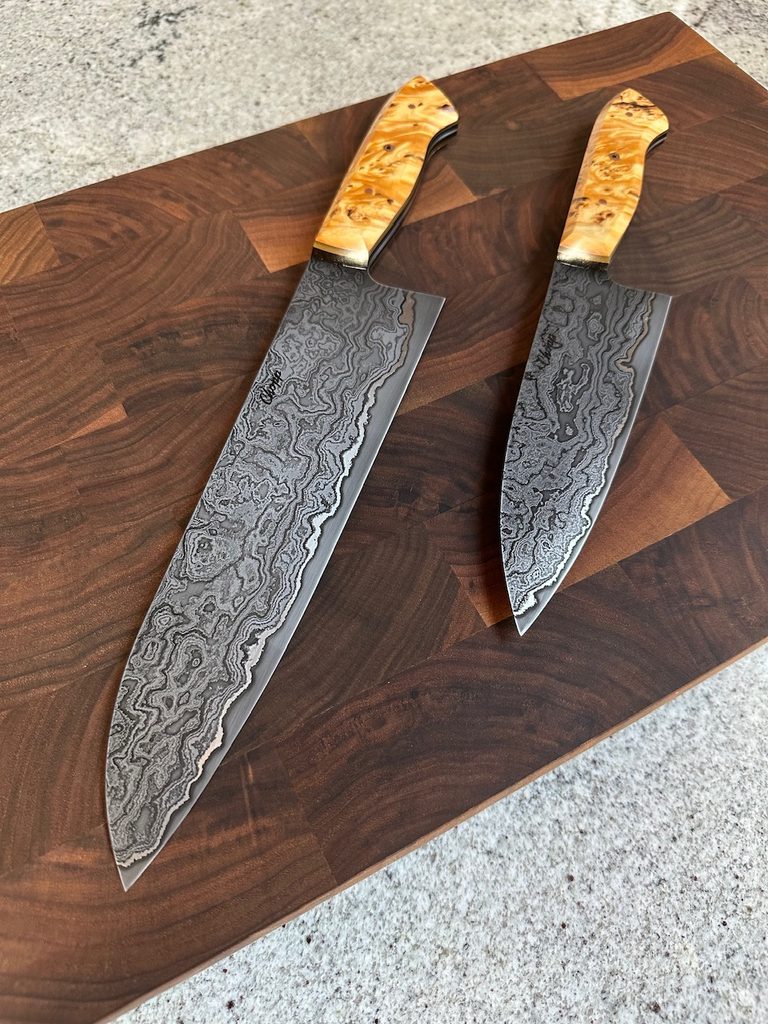
The perfect knife is whatever suits your needs in that moment. If I had to choose an all around, it would be my 7.5” AEB-L stainless steel Gyuto that’s about 50 mm in the heel.
How do you approach a new concept and that concept’s implementation?
As with anything in life, I learn the most from my mistakes. I’m not the kind of person who can read a manual on how to build a certain skill and then just go out and do it. I dig into the process to find out what my tendencies are, then try to course correct in reverse from my results. There are pain points with this method, but it’s how my practice is rooted.
How do you approach knife testing?
In the early days, I tested my patterns at home. Once I built up my reputation with chefs, I began asking for feedback on new steel or shapes after dropping off prototypes at their restaurants. I value professional cook’s opinion greatly, as they know what to expect from a knife and are used to giving constructive criticism.
There’s a misconception that all knives and geometries are suited for everyone; and that couldn’t be further from the truth. No one ends up winning when someone spends $500 on a knife and tosses it in the bottom of the sink when they’re done cutting with it. That kind of customer doesn’t understand why it chipped and rusted, and will probably tell everyone they know how awful an experience they had with the knife. Not only will this discourage others from seeking you out, but it may reinforce the idea that buying poorly made, mass produced knives, is the way to go.
To build a long-term customer relationship, their first experience with you must meet their expectations at a minimum; and preferably exceed them. If you accomplish this, you’ll cultivate long term loyal customers who love your work.
How do you develop a design, select a steel, and fine-tune a heat treatment?
I’m drawn to more traditional Japanese knives with clean lines, so I don’t do a whole lot of reinventing the wheel with my patterns. Japanese kitchen knives have been refined over hundreds of years of use, so major changes don’t make a lot of sense in my mind.
Once I went off on my own, I didn’t have access to the pre-laminated steel Murray Carter sourced from Japan, so I started with spicy white- which is close to white with a touch of chromium to help with hardening- and found it was significantly better than White 1 when heat-treated from a kiln.
From there, I added 52100 to my offerings, and ended up loving it; in particular for san mai blades. Due to its hardness, I had less issues with the core cracking than with Spicy White.
Generally speaking, Knife Steel Nerds has been a great resource for selecting and heat treating steel. Larrin Thomas deserves a lot of credit for creating a resource like this for knife makers.
What do you like about CruForge V steel?
Cru Forge V doesn’t get enough love. It’s not in production anymore- so it’s not ideal for large runs- but it’s got great wear resistance.
How has the knife world changed since you started?
The younger crowd at shows is leaning towards kitchen knives and smaller EDC folders, as opposed to bowies and more traditional fixed blades.
What’s up next for you? Any exciting new projects to tell us about?
Lots of new things in the works, but nothing I can share publicly at this time. The best place to find my knives and learn more about Acre Forge is from our newsletter, which you can subscribe to at https://www.acreforge.co My coworkers and I post about our knives on Instagram regularly. My handle is https://www.instagram.com/jmchopp and you can find the rest of them at https://www.instagram.com/acre.forge
Leave a Reply